JUTE HANDMADE PAPER
From Jute Plant to Handmade Paper – A Bangladeshi Tradition
Jute is one of Bangladesh's most important natural fibres, grown extensively across the country. Sometimes called the golden fibre, jute is a fast-growing, renewable crop that has long been used to make ropes, sacks, textiles and, of course, beautiful handmade paper.
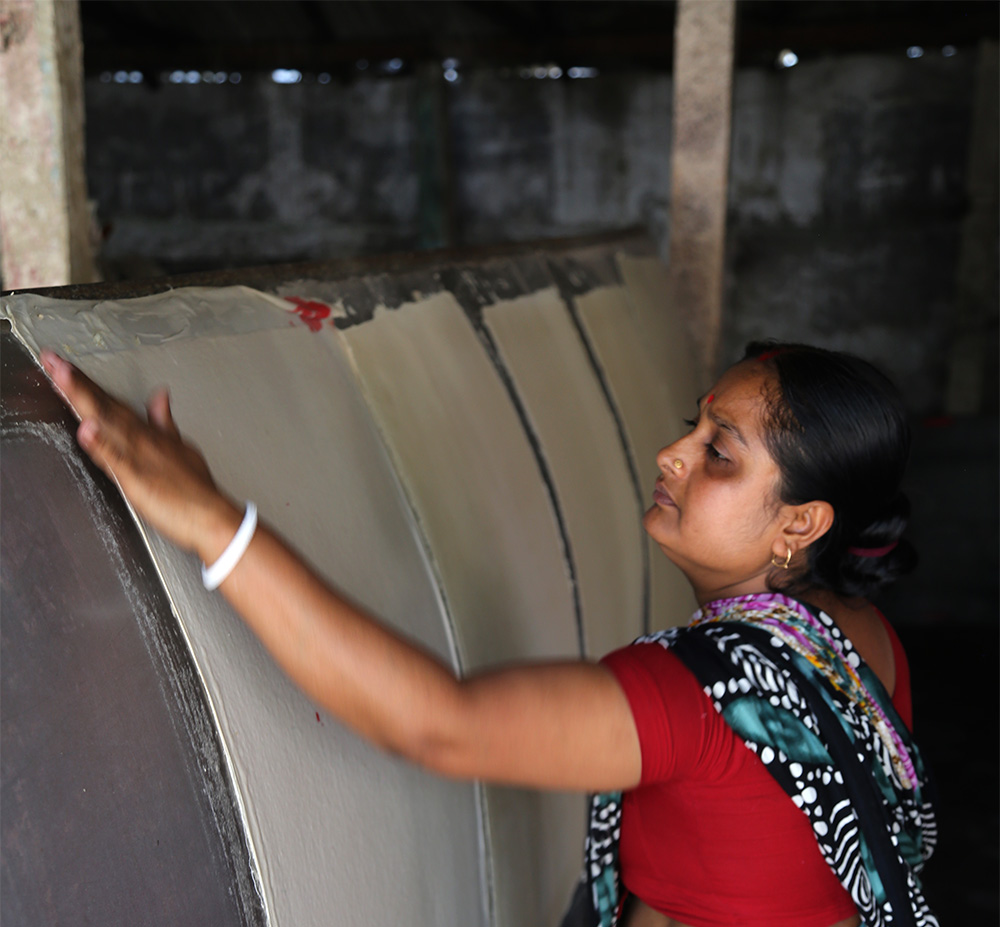
Our Fair Trade handmade jute paper is produced using traditional papermaking techniques, transforming natural plant fibres into sheets of textured paper, each with its own character.
So how is jute paper made?
Harvesting and preparing the fibres
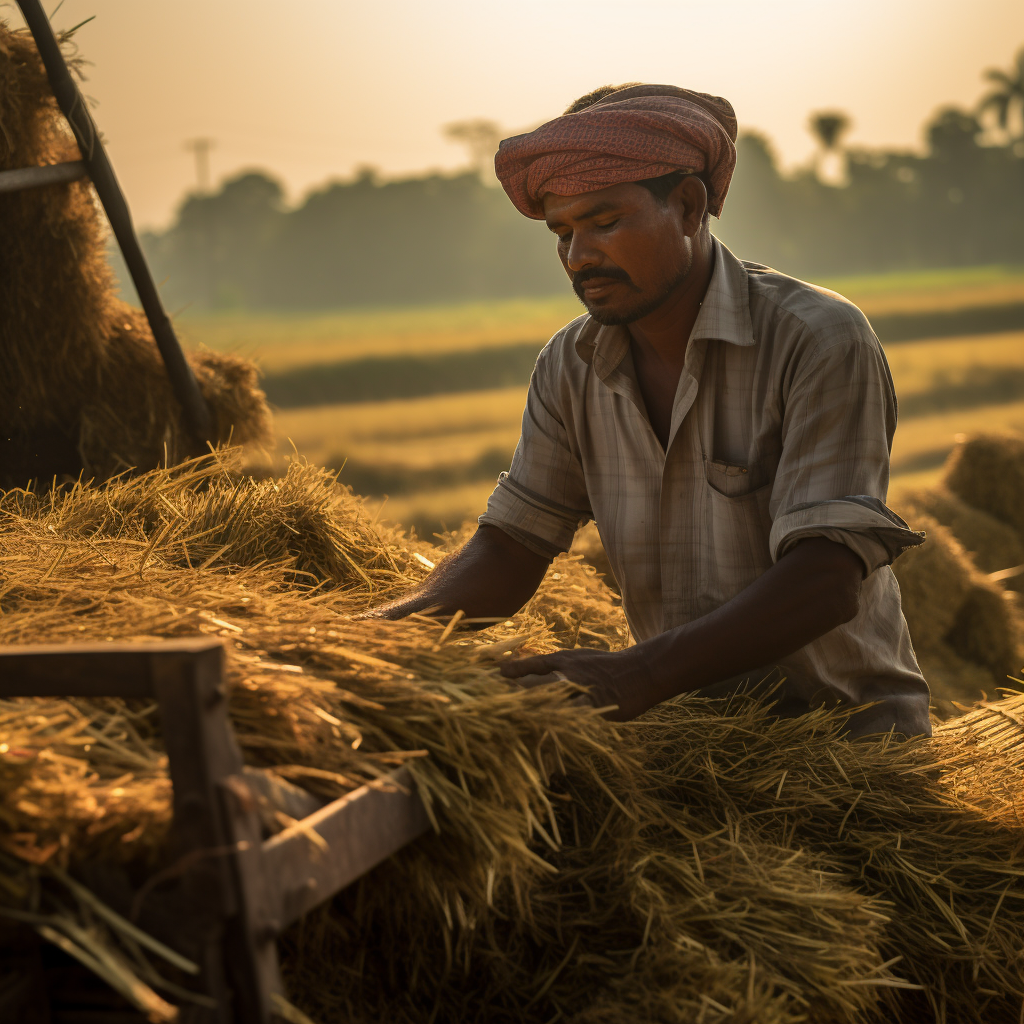
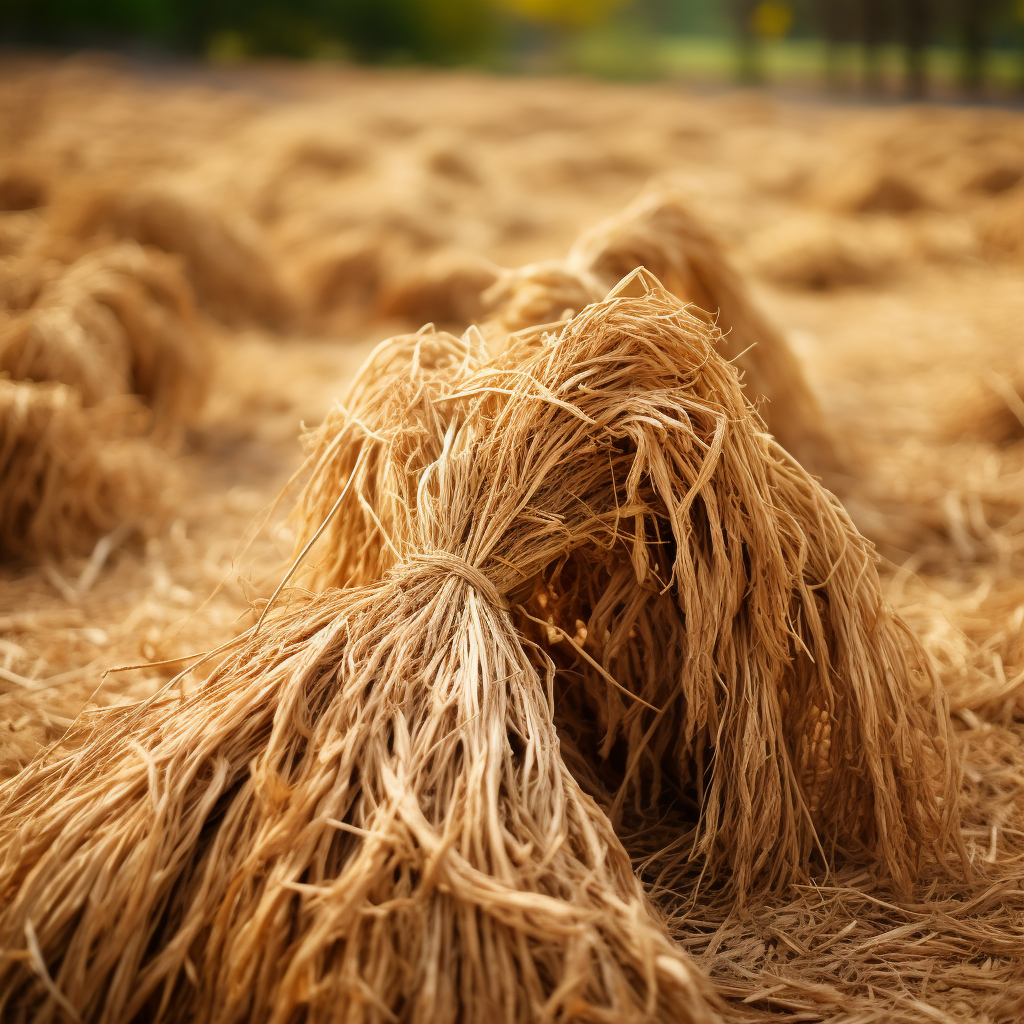
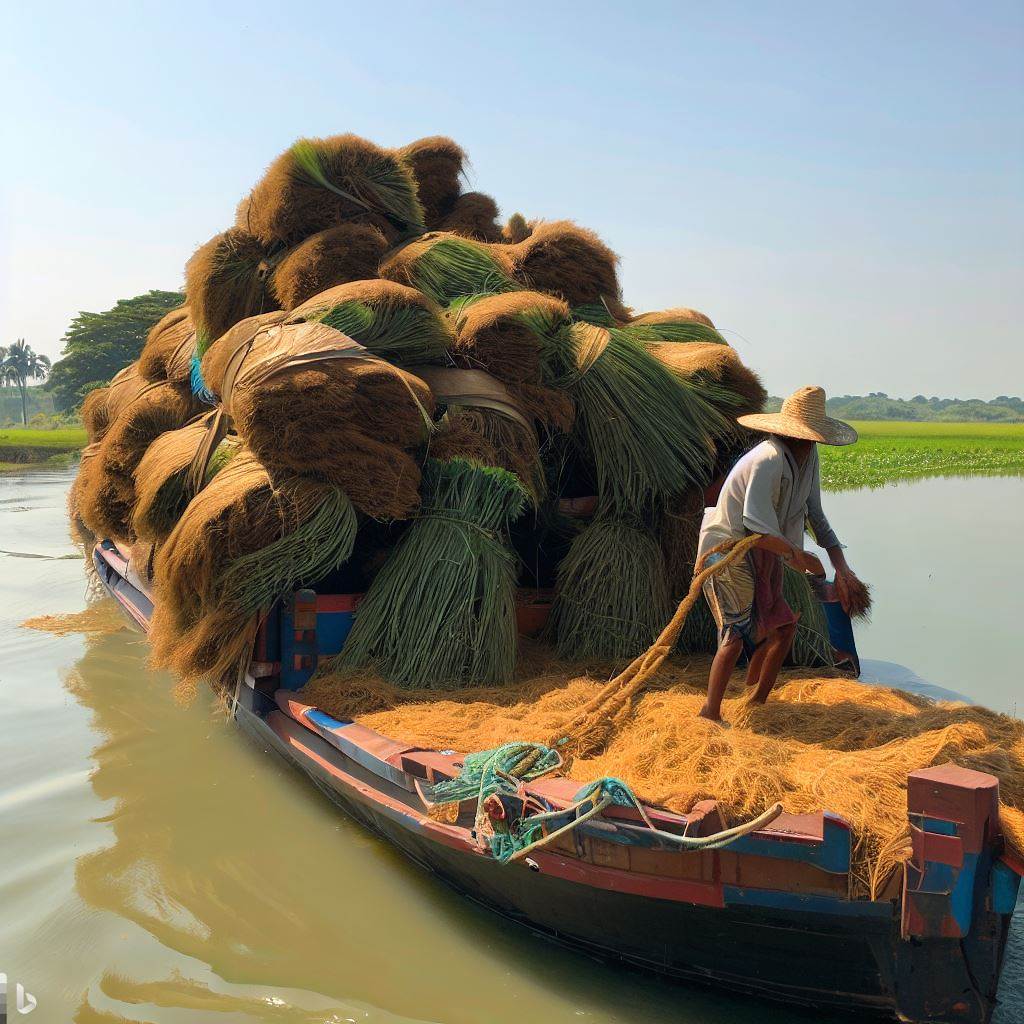
Jute is harvested by cutting the mature stems, which are then bundled and soaked in water in a process known as retting. This helps loosen the fibres from the woody stems. The fibres are stripped away, washed and dried before being prepared for papermaking.
Making the pulp
The jute fibres are cut into smaller pieces, soaked and cooked to soften them. They are then beaten or mechanically processed with water to separate the fibres and create a pulp. This process helps the fibres bond together when the paper is formed.
Forming the sheets
The pulp is mixed with water and spread across a fine mesh screen held in a wooden frame, known as a mould and deckle. As the water drains away, a thin layer of interwoven fibres remains. The papermaker carefully controls the amount of pulp to produce sheets of different thicknesses.
Pressing and drying
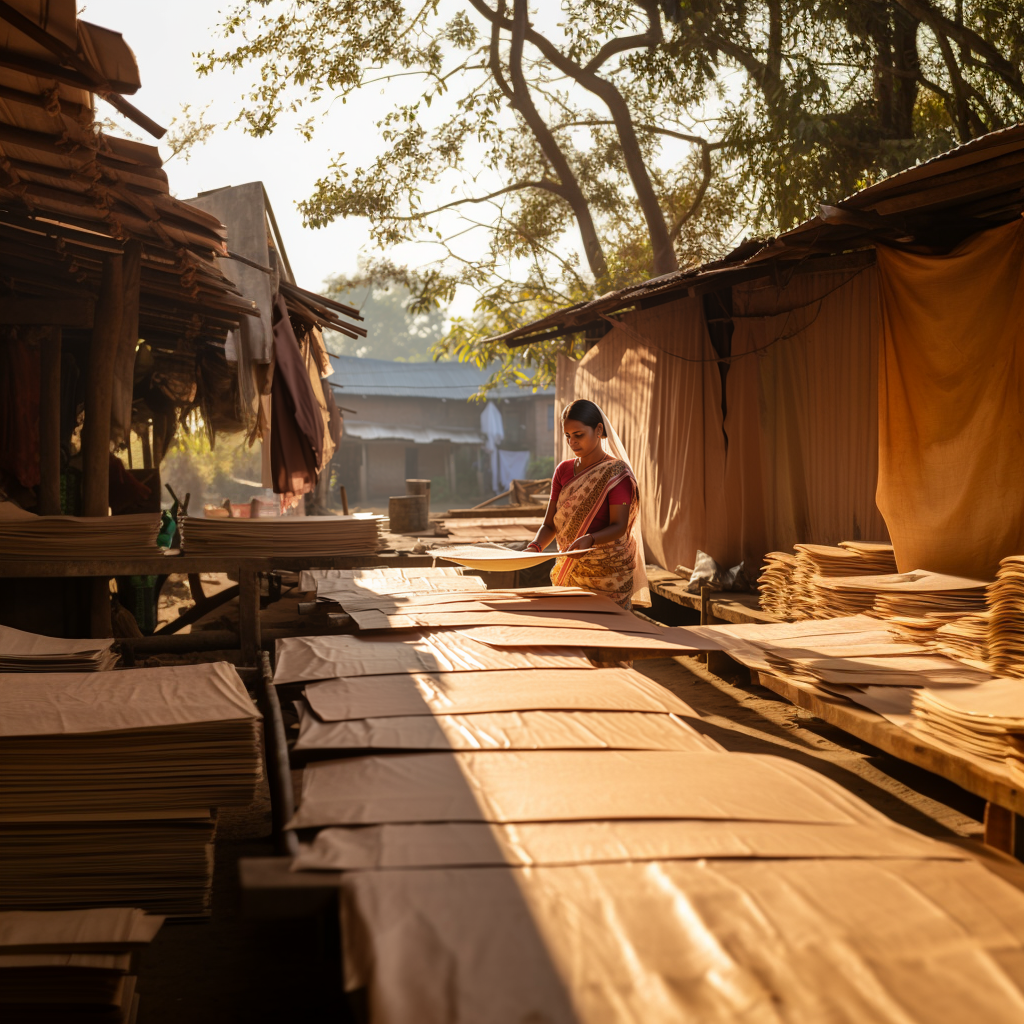
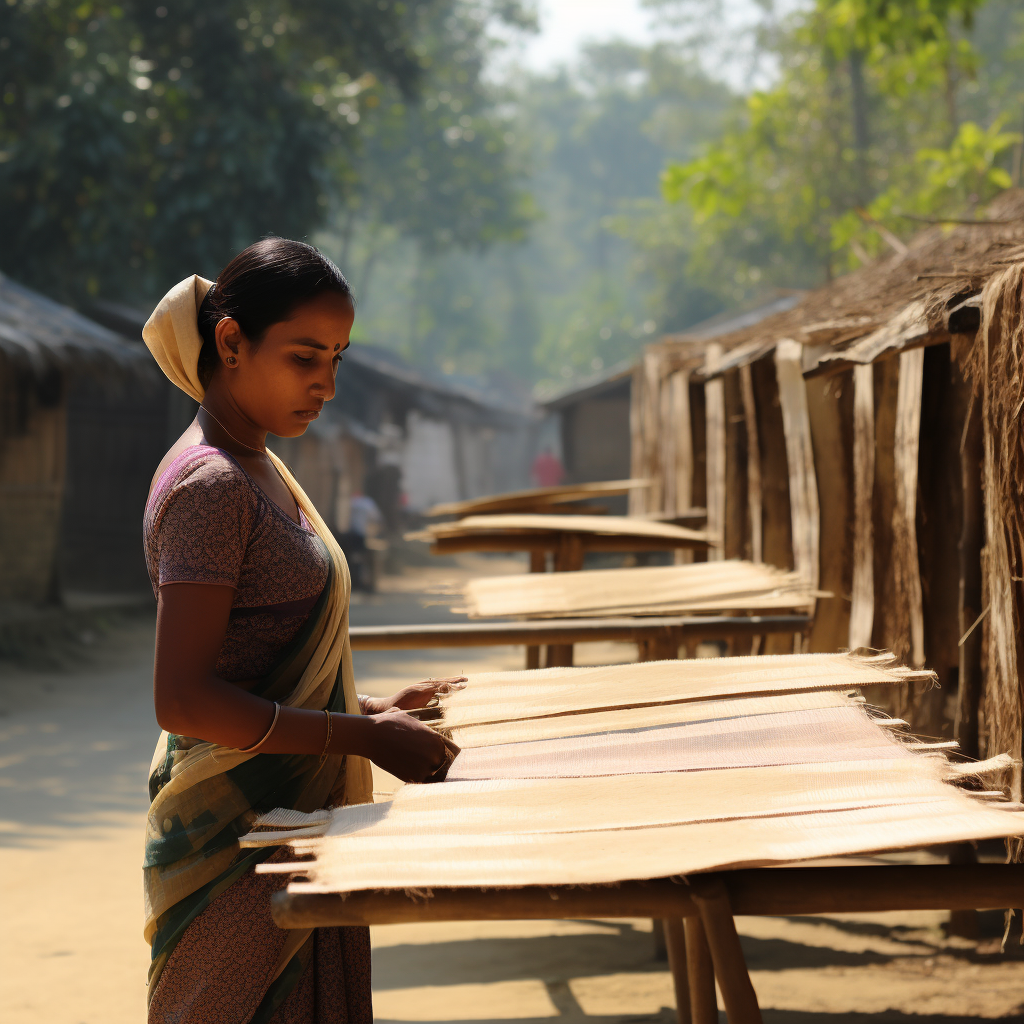
The newly formed sheets are transferred from the screen onto absorbent surfaces, often cloth or felt, in a process called couching. The sheets are then pressed to remove excess water before being dried naturally or using drying equipment.
Finishing the paper
Once dry, the sheets may be smoothed, trimmed and cut to size. Depending on the intended use, the paper can also be coloured, decorated or made into stationery, gift packaging and other handmade products.
A little character in every sheet
Unlike machine-made paper, handmade jute paper has a distinctive texture, with subtle variations in colour, thickness and fibre distribution. These natural differences are part of its appeal and reflect the hands-on skills involved in its production.
It's a lovely example of how a renewable natural fibre, traditional craftsmanship and Fair Trade can come together to create something both practical and beautiful.
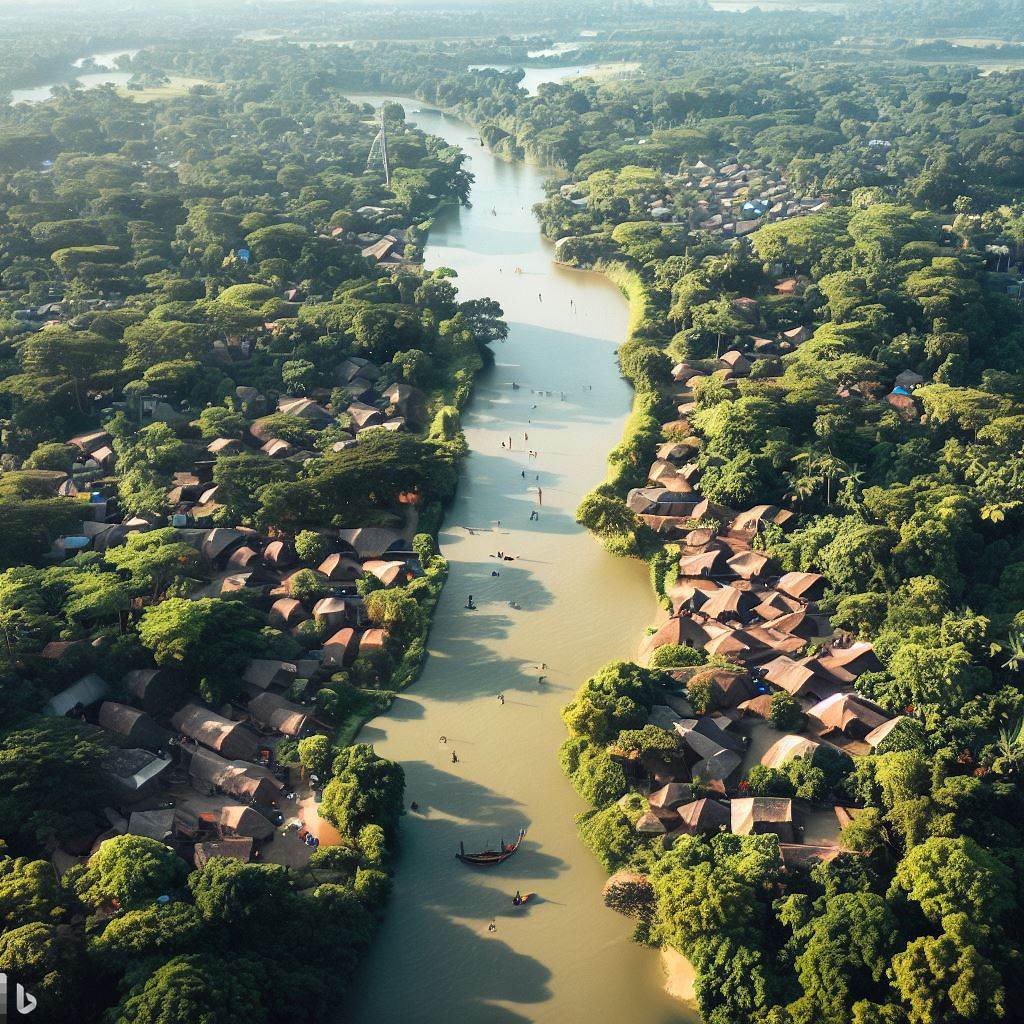
Here are some Midjourney images of the jute fibre and resulting paper.
Where does this all happen?
Our producers are located in the Barisal region of Bangladesh.
Interesting Fact: The world's largest river delta is located in Bangladesh. It iss home to the "Sundarbans", the largest mangrove forest in the world.
Interesting Fact: Bangladesh is the birthplace of microfinance. The concept of microcredit and microfinance, provides small loans to help impoverished people start businesses. It was popularised by Muhammad Yunus, a Bangladeshi social entrepreneur and economist. He founded the Grameen Bank in 1983, earning a Nobel Peace Prize for his efforts in 2006.